
Nurse-Led Oversight
All complex care is guided by qualified nurses ensuring safety, clinical accountability and professional standards at every stage.
Person-Centred Planning
Care plans are designed around the whole individual health, daily routine, personal preferences, and emotional wellbeing together.
UK-Wide Coverage
Supporting individuals across the UK regardless of location, with flexible, responsive and individually designed care arrangements.
Everything You Need to Know
About Complex Care at Home
Explore each aspect of complex care through the sections below. Select any topic to view clear, professional guidance.
What Complex Care at Home Means
Complex care at home is aimed at individuals whose health conditions are extremely complicated and who require care beyond what standard home care can offer but who do not necessarily need to remain in hospital.
In the UK, complex care helps people with serious, long-term, or multiple health conditions to live safely at home. These individuals typically require specialist oversight, skilled support, and careful coordination.
Rather than focusing only on daily living assistance, complex care is about safely managing higher-dependency needs at home. This can include specialist nursing input, clinical monitoring, and support with medical equipment or complex routines.
Home Over Hospital
Complex care provides a structured alternative to a hospital stay combining specialist clinical oversight with the comfort, familiarity and stability of home.
Beyond Standard Care
Complex care moves beyond daily living tasks to safely manage higher-risk health needs that require clinical judgement, specialist routines, and professional coordination.
Who Complex Care Is Designed to Support
Complex care helps people whose healthcare needs are layered, ongoing, and often unpredictable. This includes individuals living with neurological conditions, respiratory conditions, serious injuries, or multiple long-term illnesses.
Many people supported through complex care have what are described as complex needs where physical health challenges overlap with reduced mobility, dependency on equipment, or the need for continuous supervision.
Nurse-Led, Multidisciplinary Support at Home
Specialist, nurse-led oversight is at the core of complex care. It ensures that care is always clinically informed, risks are properly identified, and there is clear professional accountability throughout.
Nurses work alongside trained care professionals and, where necessary, therapists or other specialists delivering a coordinated support system that evolves as the individual’s needs change over time.
A multidisciplinary approach prevents the fragmentation of care. Instead, support is collaboratively planned, regularly checked, and adjusted through open communication, joint working, and ongoing evaluation.
Clinical Assessment
Regular clinical assessments ensure care remains appropriate and safely delivered as conditions change.
Coordinated Teams
All professionals involved in care work together, preventing fragmentation and ensuring consistent, joined-up support.
Clear Communication
Families are kept informed at every stage, reducing unnecessary hospital admissions and building confidence in care.
Supporting Independence While Managing Risk
People with multiple health issues often worry about their safety and ability to manage at home. Complex care does not dismiss these concerns it provides a structured framework that allows the individual to take control responsibly.
Risk is not hidden or ignored. It is recognised, carefully managed, and addressed through thoughtful, collaborative planning between the individual, their family, and the care team.
The goal of complex care is not to control a person’s life it is to help them live it as fully and comfortably as possible. This means respecting daily routines, supporting personal autonomy, and adapting care as health needs evolve.
- Honouring the individual’s usual way of life and daily patterns
- Supporting personal autonomy in a safe and appropriate way
- Adapting care arrangements as health conditions change over time
- Nurse-led teams working closely with individuals and families together
- Ensuring safety, dignity, and continuity in every aspect of home life
A Calm, Professional Approach for Families
When the health situation becomes medically complex, families are often the first to feel emotional and practical pressure. Handling medical information, seeking help, and making decisions simultaneously can be deeply overwhelming.
Complex care at home does not only bring clinical support it brings clarity, reassurance, and genuine understanding. Families receive communication that is honest, guidance that is achievable, and professional advice that feels calm rather than alarming.
By clearly explaining what is needed, how care is delivered, and how support can evolve over time, families are placed in a position where they can genuinely rely on the care arrangement with confidence.
Complex Care at Home Across the UK
British Elderly Care provides complex care at home for individuals across the UK regardless of location. Instead of a fixed care model, care plans are designed around individual needs so support can be flexible, responsive, and suitable for each specific situation.
Whether the need arises immediately following hospital discharge, for long-term health management, or because an existing condition is changing complex care provides a structured alternative to hospital stays or placement in an unsuitable care environment.
This type of care combines the benefits of specialist clinical monitoring with the comfort of home. Patients with high-dependency needs continue to be managed safely while maintaining the continuity, familiarity, and stability of their daily life.
- Available across all UK regions regardless of location
- Suitable for post-hospital discharge and long-term health management
- Structured alternative to unnecessary hospital stays or care home placement
- Combines specialist monitoring with the comfort and familiarity of home
- Flexible and responsive designed around each individual’s specific situation
What Complex Care Means in Simple Terms
Complex care in the UK provides specialist support for people whose health and care needs are too involved, intensive, or unpredictable to be managed through standard home care alone.
It supports individuals who are seriously unwell with long-term or multiple health conditions and who need constant supervision, skilled help, and well-organised coordination. The focus is on how care is delivered: safely, consistently, and in line with each person’s condition.
Complex care is deeply embedded in the UK healthcare system, closely aligned with NHS guidance. Its core purpose is to reduce unnecessary hospital stays while keeping individuals in the environment they know best.
Clinical Monitoring
Health changes are tracked regularly and responded to with professional clinical judgement at every stage.
Specialist Routines
Care involving medical equipment, complex daily routines, and specialist nursing input delivered safely at home.
Coordinated Support
All professionals involved in care are aligned, communicating clearly, and working together as one team.
Why Some People Need Complex Care Instead of Standard Home Care
Standard home care helps with daily activities like bathing, dressing, and meal preparation. For many people this level of support is enough. But when health needs become more demanding or medically complex, standard care often falls short.
Complex care acknowledges that most health challenges are interconnected. A person’s physical health, mobility, cognition, and emotional wellbeing all influence each other and addressing them together safely requires a higher level of expertise and coordination.
When Complex Care Becomes Necessary
Managing Complex Health Needs Safely at Home
Managing complex health needs at home does not mean lowering standards or taking unnecessary risks. It means planning carefully, delivering skillfully, and reviewing continuously.
This level of care can reduce hospital admissions and allow a person’s daily life to continue without unnecessary disruption keeping the individual in a familiar, comfortable environment while still receiving the level of clinical support they need.
What Complex Care at Home May Involve
- Supporting individuals who rely on specialist routines or medical equipment
- Monitoring health changes and responding quickly and appropriately
- Coordinating care consistently across different professionals and teams
- Ensuring care plans remain suitable as conditions evolve over time
At British Elderly Care, complex care at home is about finding the right balance between clinical responsibility and respecting each individual’s lifestyle, preferences, and independence.
The Role of Specialist Support and Clinical Oversight
Nurse-led supervision is central to complex care. It ensures that care proposals are clinically informed, patient safety is the clear priority, and professional accountability is present at every stage.
Nurses work closely with qualified care staff and, where needed, other specialists providing a dependable, well-organised service. This structure ensures nothing is overlooked in the care plan and reduces the likelihood of undetected or mismanaged health changes.
What Specialist Support Typically Includes
Families feel more secure knowing their loved one’s care is led and overseen by professionals with the right clinical expertise.
Supporting Independence While Managing Risk
One of the most common concerns is that complex care will take away personal independence or limit personal choice. In practice, complex care aims for the exact opposite increasing independence while enabling individuals to take responsibility for a manageable level of risk.
When someone has complex health needs, risks cannot always be completely eliminated. The role of complex care is not to remove risk entirely it is to recognise it, manage it carefully, and create an environment that is safe enough for life to continue as fully as possible.
How Complex Care Supports Independence
- Respecting personal routines and individual preferences at all times
- Encouraging involvement in daily life wherever it is safe to do so
- Adapting care as conditions and capabilities change over time
- Avoiding a one-size-fits-all approach to every aspect of care delivery
People are able to live their lives in their own homes with appropriate support instead of being limited by unnecessary restrictions or assumptions about what they can and cannot do.
How Complex Care Fits into the UK Healthcare System
Complex care plays an important role within the wider UK healthcare landscape. It sits at the point where health and social care overlap supporting individuals whose needs are primarily health-led but who benefit most from care delivered at home rather than in hospital.
Complex care often works alongside NHS services, community teams, and local authorities. Understanding how it fits into the system helps families navigate what can otherwise feel confusing or overwhelming at a difficult time.
When Complex Care Is Often Introduced
Funding may come from private arrangements or NHS Continuing Healthcare assessments. While care providers do not make funding decisions, understanding the system helps families make informed and confident choices.
Talk to Us About Whether Complex Care Is Right for You
Supporting People with Complex
Health and Care Needs
Complex needs describe something very real and personal. They are not simply one diagnosis they are multiple, continuous, and interrelated circumstances of health, care, and daily living that require understanding the whole picture.
Complex needs exist at the intersection of different conditions and their impact on a person’s ability to live safely and independently at home. This is why support must go far beyond basic care tasks.
It requires understanding the whole picture health, routine, home environment, and personal circumstances rather than treating individual issues in isolation. At British Elderly Care, complex care is designed to support people living with these layered needs in a structured, professional, and person-centred way.
Physical health needs are often one of the several elements within complex care frequently involving long-standing illnesses that reduce the body’s capacity for independent daily activity.
Complex care services at home address physical health needs while keeping the individual in their own familiar surroundings causing less upheaval while ensuring safety. Care plans consider not only medical requirements but also how daily life continues practically.
People with complex physical needs may require:
Neurological conditions frequently form a major part of complex health and care needs. They may affect a person’s ability to move, coordinate, communicate, remember, and make decisions often in highly unpredictable ways.
Supporting someone with neurological needs requires patience, persistence, and an understanding that symptoms can vary significantly from one day to another. Care must be flexible enough to adapt without causing the person confusion or distress.
What neurological needs may involve:
- Changes in mobility or muscle control
- Problems with speech or understanding
- Changes in cognition or diminished awareness
- Increased reliance on structured daily routines
What good care focuses on:
- Reducing risk at every stage of the day
- Supporting communication with patience
- Maintaining dignity throughout care delivery
- Flexible plans that adapt as needs shift
The majority of individuals supported through complex care have a condition that is either chronic or progressive meaning their needs may change over time, sometimes gradually and sometimes quite suddenly.
Complex care acknowledges that support should not remain static. It provides continuity alongside flexibility giving people both the stability they need and the adaptability their condition demands.
Progressive conditions can affect:
Physical strength and mobility
Independence in daily activities
Ability to manage routines alone
Emotional wellbeing and confidence
Care planning for people with complex needs differs substantially from standard care arrangements. Planning must account for risk, the interdependence of conditions, and the need for specialist input all while remaining person-centred throughout.
Care plans are not fixed documents. They serve as structured frameworks that are updated in response to real-world changes. British Elderly Care coordinators and managers work collaboratively to develop plans that are clear, honest, and accessible to everyone involved in the person’s care.
Complex care planning typically considers:
- The interaction between different health conditions
- Levels of dependency and supervision required daily
- Daily routines and personal preferences of the individual
- Environmental factors within the home
- The role of family members and informal carers
Complex needs are not abstract concepts they appear in the daily lives of real people in very specific ways. These examples illustrate the kind of situations that require specialist planning and coordination beyond the scope of standard care.
These situations require the kind of specialist planning and coordination that standard care arrangements simply cannot provide safely.
British Elderly Care provides complex care at home through services designed to support individuals with complex health and care needs responsibly, safely, and respectfully.
Care is given in partnership with individuals and families not in a way that strips the person of control. The focus is on supporting people to remain at home while their needs are managed at the right clinical level.
Professional oversight
Trained care teams
Clear communication
Person-centred planning
Families are frequently at the core of support for people with complex needs. Complex care acknowledges this reality and aims to collaborate with families rather than replace or sideline them.
By involving families appropriately, complex care helps reduce uncertainty and supports shared understanding. This collaborative approach strengthens care arrangements and builds lasting confidence over time.
How families are supported:
- Clear explanations of all care arrangements in plain language
- Guidance around daily routines and what to expect at each stage
- Open communication, honest updates, and ongoing reassurance
- Respect for family involvement, knowledge, and personal preferences
Living with complex health and care needs is rarely static. Needs may change due to health progression, recovery, or changing life circumstances. Complex care is developed with exactly this in mind.
Continuous review, open conversation, and a genuine readiness to adapt are the defining features of support that works over the long term. Understanding complex needs as a changing path rather than a fixed state allows care to remain relevant, responsive, and genuinely helpful.
The care journey is never finished. It is always evolving and British Elderly Care evolves with it, every step of the way.
Talk Through Your Situation With a Complex Care Professional
No obligation, no pressure just clear, professional guidance from a team who understands complex care inside out.
Who Complex Care Is
Designed to Support
Complex care is not associated with a particular age, diagnosis, or single condition. It is based on the level of support a person needs, how complex that support is, and how intensively care must be monitored to prevent risk.
Complex Care Is For
Complex care is for individuals whose health and care needs are so layered, multiple, and unpredictable that standard home care cannot safely meet them alone.
These needs may arise from a long-term health condition, a serious injury, a progressive disorder, or a combination of difficulties that affect daily functioning. Complex care is not defined by age or a single condition it is defined by the nature and intensity of the support required.
Level of Support
Based on how much help is needed not age or diagnosis alone.
Complexity of Needs
How involved, skilled, and coordinated the support must be day to day.
Monitoring Required
How closely care must be overseen to prevent risk and maintain safety.
Neurological Conditions
Many individuals supported through complex care are living with neurodegenerative disorders that impair motor function, communication, or cognitive ability. These conditions significantly limit independent functioning and often require continuous professional support.
Supporting neurological conditions requires more than routine care. Symptoms vary from day to day, making it essential to provide care that is patient, steady, and fully aware of potential risks. Structured routines, clear communication, and a thorough understanding of the individual's needs are central to safe care.
Neurological needs may involve:
and Breathing-Related Needs
Complex care can also support individuals whose health needs include respiratory conditions or breathing difficulties requiring specialist management. These needs may be long-standing, progressive, or associated with other health conditions.
Complex care provides the framework to manage respiratory needs at home responsibly allowing individuals to remain where they prefer while avoiding unnecessary hospital admission.
People with respiratory needs may require:
Specialist Routines or Equipment
Some individuals need complex care because their daily requirements involve specialist procedures or the use of equipment that can only be managed safely by trained staff. These activities may relate to nutrition, mobility, medication administration, or long-term health management.
With specialist routines, even minor errors can have significant consequences. Complex care relies heavily on consistent training, close supervision, and continuity of the same care team.
Supporting specialist needs involves:
Strict adherence to established routines
Observation of hygiene and safety standards
Monitoring for signs of change or risk
Consistency in how care is delivered
High-Dependency Needs
While complex care is not limited to older people, many elderly individuals develop care needs that grow increasingly complex over time due to frailty, multiple long-term conditions, reduced mobility, or increasing vulnerability to illness.
In these situations, standard home care may no longer be sufficient. Complex care provides a step up in support that addresses increased dependency more closely and carefully.
High-dependency elderly care may involve:
Long-Term Health Conditions
Many individuals in complex care have several long-term conditions that interact with each other increasing the overall level of care needed and making everyday life more challenging to manage safely.
When care needs overlap, it is not possible to consider each condition separately. A change in one health area often affects others, requiring a coordinated, flexible, and informed approach to support.
Multiple long-term conditions may involve:
Complex care addresses the whole picture not individual diagnoses treated in isolation.
Become More Unpredictable
Complex care is often introduced at points of change following a hospital stay, a deterioration in health, or a recognition that existing arrangements are no longer sufficient.
It is not always easy for families to identify when care needs have become complex. Complex care provides a formal, structured response to these transitions bringing clarity and support during uncertain times.
Signs that complex care may be needed:
Care Is Appropriate
The following situations illustrate why specialist planning and coordination are required and why care must be tailored to the individual rather than applied as a standard arrangement.
Different Life Circumstances
Health needs are the primary driver of complex care but care should also reflect the individual's personal situation. No two people experience illness or dependency in the same way, and care must be adjusted accordingly.
Care is given in a way that honours the uniqueness of the individual concentrating on capability, dignity, and what matters to them rather than focusing exclusively on limitations.
Person-centred complex care considers:
Personal Routines and Preferences
Daily habits, preferences, and the way a person likes their life to run.
Cultural and Family Factors
Cultural background, family dynamics, and the support network around the person.
Communication Needs
How the individual communicates and what adjustments make interaction easier.
Emotional Wellbeing
Mental health, feelings of dignity, and what gives the individual a sense of identity and value.
Supports a Wide Range of Needs
British Elderly Care provides complex care at home for individuals with diverse and often changing health and care needs. Rather than focusing on specific diagnoses alone, care is planned around what support is required to live safely and comfortably at home.
Determining whether complex care is appropriate can be difficult needs often develop gradually, and it may not be immediately clear when standard care is no longer sufficient. British Elderly Care provides clear guidance to help people and families recognise when a higher level of support is needed.
British Elderly Care supports:
Complex care becomes appropriate when health needs increase in intensity or risk, care requires specialist oversight, or daily routines can no longer be managed safely without professional support.
Families Together
Complex care is rarely only about the individual being supported. Families are frequently deeply involved and they often need reassurance, clarity, and guidance just as much as the person receiving care directly.
Understanding the full scope of complex care means recognising the families who live alongside the person and whose lives are significantly affected by the care arrangement. When care services communicate clearly with families, the result is less stress and greater confidence in handling their situation.
Supporting families includes:
Clear explanations of all care arrangements
Guidance around routines and expectations
Open communication and honest reassurance
Respect for family knowledge and involvement
When Home Becomes a Place of Care,
Not Just Comfort
Many families hardly notice the point at which their home changes from a personal, familiar space into one where health routines, monitoring, and responsibility become the new way of life. Recognising these pressures is the first step towards finding the structured support that complex care can provide.
Coming home from hospital can feel like a relief but also, quietly, like a shock. Even when discharge has been carefully planned, families are often handed a great deal of information at the hospital that proves difficult to apply in a real home environment.
The happiness of a homecoming is quite often accompanied by a growing fear of taking on responsibility. Families who had little preparation may suddenly find themselves managing medical procedures, monitoring health changes, or coordinating specialist involvement all at home.
British Elderly Care is familiar with families who discover, almost overnight, that they are now responsible for care that was previously handled by clinical teams. Most of them describe the same feeling pressure without preparation.
When care involves specialist routines or equipment, families often carry a quiet fear of doing something wrong. They understand how important correct procedure is but they may not always feel confident in their ability to deliver it consistently.
This fear can show up in small, persistent ways that affect the entire family's wellbeing:
- Double-checking routines repeatedly, even when done correctly
- Avoiding necessary changes out of concern about getting things wrong
- Anxiety about being alone with clinical responsibility
- Difficulty resting or stepping away, even briefly
British Elderly Care's complex care teams work closely with families in exactly these situations reducing stress by establishing familiar patterns, providing ordered support, and offering professional accountability throughout.
Caring for a person with complex health conditions touches far more than daily routines. It can become an emotional, mental, and physical drain and over time, it can quietly place strain on family relationships too.
This tension can accumulate silently. Families may continue for a long time without recognising that they are approaching a breaking point until they feel completely overwhelmed.
Complex care support distributes the responsibility giving family members the space to be present with their loved one, rather than absorbed by the management of every clinical detail.
The UK care system can be genuinely difficult to understand especially when a person's needs are complex. Families may encounter multiple services, various professionals, and different terminologies, each with distinct roles and clear limitations.
Without adequate guidance, confusion about who is responsible for what can cause families to doubt whether they are receiving the right level of support. That doubt increases stress and can hinder decisions that would otherwise improve care.
Understanding how care is interconnected and who is accountable for each aspect of it is one of the most valuable things that a structured complex care arrangement can provide to a family.
Dealing with complex care needs, financial uncertainty can significantly increase the stress already carried by families. Understanding support options, funding pathways, and long-term planning can all feel genuinely confusing.
- Concern about unforeseen or escalating expenses
- Uncertainty about how care needs may develop over time
- Confusion over what support will or will not be funded
- Fear of making a wrong decision that affects care quality
Complex care providers have a responsibility to clarify options and guide families honestly through available processes without creating false expectations or making assumptions about what funding may be accessible.
As health care needs grow more complex, families are likely to find themselves making an almost continuous stream of decisions some apparently minor, others carrying considerable weight. Over time, this creates a specific kind of exhaustion.
Questions of doubt become recurring: "Is this really the right approach?" "Has something changed that I have missed?" "Should we be asking for more help?" and when stress and uncertainty set in, second-guessing becomes the default.
Balancing complex care alongside work, childcare, and personal responsibilities is also part of this reality. Families should not have to manage every aspect of care around the clock. Complex care gives that time back safely.
Fully understanding what families face when care needs become complex is important. These challenges are not signs of incapability or a lack of commitment they are a normal and natural human response to an exhausting situation.
If these realities are acknowledged without exaggeration or denial, complex care can be structured to be genuinely effective, well-organised, respectful, and sustainable. Families should never have to carry this alone.
British Elderly Care acknowledges these pressures directly and delivers complex care at home in a way that works to reduce the element of surprise, share responsibility, and support both individuals and families throughout the entire journey.
You Do Not Have to Carry This Alone
Speak to someone who understands the real pressures of complex care and can help you find a clearer, more supported path forward.
Multidisciplinary Teams and
Clinical Oversight
Effective complex care is never delivered by one person in isolation. It depends on specialist nurses, therapists, and coordinated care teams working together with clear roles, consistent communication, and shared accountability.

Specialist nurses lead the delivery of complex care at home bringing clinical expertise, professional accountability, and a reassuring presence to every care arrangement.
They hold a deep understanding of each patient's health needs, identify risks early, and guide care teams in following correct procedures. Their role extends beyond clinical tasks they support decision-making, planning, and communication across all parties involved.
At British Elderly Care, home-based complex care is nurse-led to ensure support remains consistent, knowledgeable, and professionally directed at all times.
Complex health and care needs rarely sit within a single support area. Therapists and other clinical professionals bring specialist knowledge that enhances daily functioning and long-term wellbeing.
- Supporting mobility and safe movement
- Advising on positioning and equipment
- Helping to maintain physical function
- Reducing risk associated with daily activities

Multidisciplinary working is not simply about having different professionals involved it is about how those professionals collaborate to support the individual receiving care.
- Shared understanding of the individual's needs
- Clear roles and responsibilities across the team
- Regular communication and timely updates
- Collaborative decision-making at every stage

Clinical oversight in complex care is often misunderstood as something that only happens when problems arise. In reality, effective oversight is continuous and preventative.
- Identifying early signs of health change
- Reviewing whether care plans remain appropriate
- Supporting care teams with guidance and direction
- Reducing the likelihood of avoidable issues

Continuity matters greatly to people with complex health and care needs. Familiarity with routines, preferences, and communication styles reduces stress and supports better health outcomes.
Complex care actively minimises unnecessary changes in who provides care. British Elderly Care understands that continuity matters not only to care recipients but also to the families who depend on the arrangement.

Families are often closely involved in complex care decisions. Multidisciplinary teams provide a framework families can rely on reducing the burden of navigating care alone.
- Discussing care plans openly and honestly
- Explaining the reasoning behind care approaches
- Listening to family observations and concerns
- Adjusting care in response to feedback
Learn How Our Care Teams Can Support Your Situation
Speak with British Elderly Care to understand how multidisciplinary oversight works in practice clearly, honestly, and without pressure.
Our Approach to Delivering Complex Care at British Elderly Care
British Elderly Care's approach to complex care at home is built on a nurse-led model where clinical accountability, person-centred planning, and genuine respect for dignity shape every decision. Explore the principles that underpin how we deliver safe, capable, and compassionate complex care.
British Elderly Care focuses on complex care at home through a nurse-led model where clinical accountability is fundamental to care planning and delivery. Complex health and care needs mean that decisions must be grounded in professional insight rather than presumption.
Nursing supervision gives clear direction to care teams, clarifying not only the tasks required but also the rationale behind the methods chosen. This enables the care environment to change safely and responsibly.
To British Elderly Care, nursing supervision is not an extra layer it is the foundation of confident, clear, and accountable complex care delivery.
Complex care works best when it is centred on the person receiving the support. Person-centred care means understanding the individual's life, habits, values, and preferences alongside their health needs.
Two individuals with identical health conditions may require very different kinds of support depending on their circumstances, environments, and personal values.
Person-Centred Care Involves- Listening to the individual and their family
- Respecting personal routines and choices
- Adapting care to fit daily life
- Recognising what matters most to the person
Respect and dignity are not optional extras in complex care they are the very essence of care itself. At British Elderly Care, care is delivered in a way that preserves personal dignity and supports independence at all times.
The severity of a condition may mean greater reliance on care, but this should not mean the person loses control over their own life.
Supporting Dignity and Independence Includes- Involving individuals in decisions about their care
- Maintaining privacy and respect during care routines
- Encouraging participation in daily activities
- Avoiding unnecessary restrictions
Complex care impacts not only the person receiving care but also their family. Relatives are often close to the situation, emotionally tied, and directly affected by changes in care needs.
British Elderly Care considers families as partners in care rather than observers. Support is given to both the individual and those who care about them.
Family Support Includes- Clear and detailed explanations about care arrangements
- Regular communication and genuine reassurance
- Acknowledgment of family knowledge and active involvement
- Guidance when needs or circumstances are changing
Clear communication is at the heart of effective complex care. With complex needs, doubt and misunderstanding can quickly erode trust and confidence.
British Elderly Care focuses on transparency throughout the entire process explaining not only what support is given, but how care is planned and why certain methods are chosen.
Clear Communication Involves- Using accessible, non-technical language
- Keeping families informed of any changes
- Encouraging questions and open discussion
- Providing consistent points of contact
For people with complex health and care needs, consistency in care delivery is crucial. Knowing the same routine, having familiar caregivers, and receiving support through predictable structures all lower anxiety and support emotional wellbeing.
Continuity of Care Enables- Safer delivery of care day to day
- Better and clearer communication across the team
- Stronger relationships between carers and individuals
- Greater confidence and reassurance for families
Complex health needs rarely stay the same. Over time, people experience changes that call for adjusted care arrangements. British Elderly Care takes a flexible approach care plans are evaluated regularly and updated as circumstances change, keeping support suitable and adequate.
Adapting Care May Involve- Adjusting levels and types of support
- Revising daily routines or approaches
- Responding promptly to changes in health
- Supporting planned transitions in care
Being careful about risk is a vital part of complex care but it must be balanced with quality of life. At British Elderly Care, risk is handled considerately, with the emphasis on understanding and managing it rather than eliminating it entirely.
This balanced approach supports safe care delivery, continued independence, meaningful daily routines, and reduced anxiety for families. By addressing risk proactively, individuals can remain at home safely without unnecessary restrictions.
- Nurse-led oversight and clinical accountability
- Person-centred planning that starts with the individual
- Respect for dignity and independence at all times
- Active family involvement and transparent communication
- Long-term continuity and adaptable care
From First Conversation to
Ongoing Support
Complex care at home does not begin with a fixed package or assumption. It starts with a conversation listening carefully to understand what kind of support is genuinely needed, in the context of a real person's everyday life.
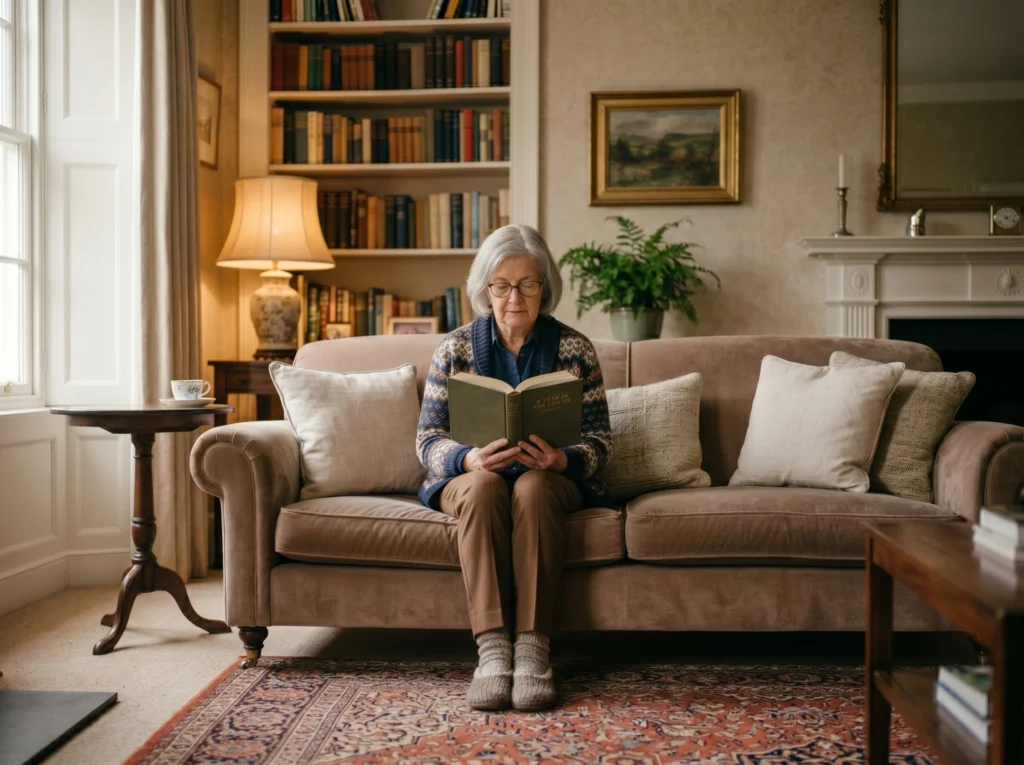
Complex care must work within someone's real home not a theoretical ideal. Once the initial conversation is complete, the focus shifts to understanding how health and care needs actually affect daily life.
Routines, the home environment, and existing support are all considered carefully. Complex needs can affect sleep, mobility, personal hygiene, emotional wellbeing, and family life — and all of this shapes what safe, practical care looks like.
British Elderly Care builds a comprehensive, realistic picture so that care fits naturally into the person's life rather than disrupting it.
Before care begins, thorough assessments and information-gathering take place. This step is vital in ensuring that complex care is safe, appropriate, and informed by a complete picture of the individual.
- Health-related needs and identified risks
- Levels of dependency and supervision required
- Existing routines and support structures
- Environmental factors within the home
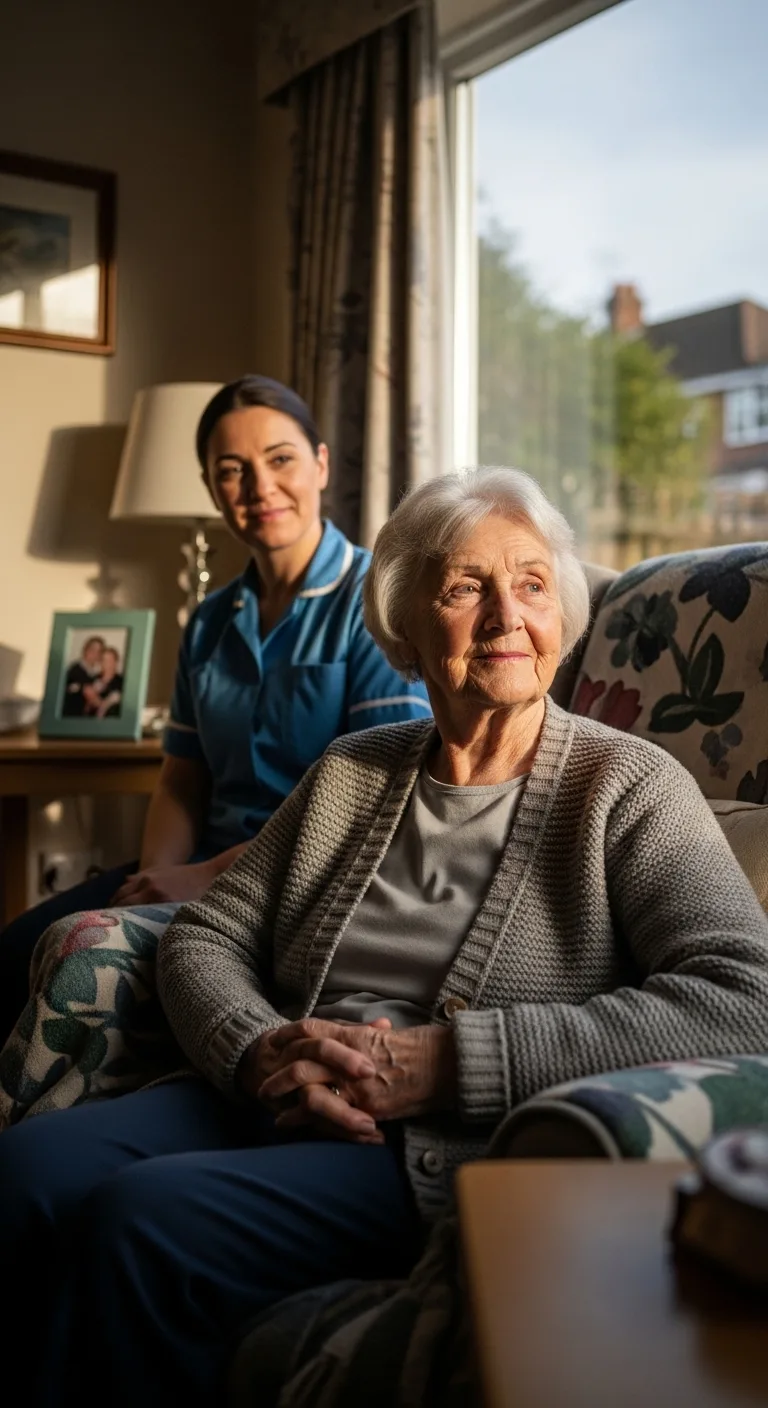
Once needs and risks have been identified, a personalised care plan is created. This plan gives both the individual and the care team a clear, shared direction for how care will be delivered day to day.
- Type and level of support required
- Key routines, preferences, and health monitoring
- Communication approaches and role responsibilities
Plans are developed with individuals and families using clear, accessible language. They are working documents revisited and updated as circumstances evolve.

In complex care, risk management is a vital element but the approach is thoughtful rather than restrictive. The aim is to understand and control risk in a way that preserves both safety and personal freedom.
- Identifying potential risks within the home
- Planning safe approaches to care routines
- Consistent delivery and monitoring for change

Once care begins, daily operation focuses on consistency, clear communication, and being responsive to change. Complex care is about following a well-considered plan that matches the person's actual requirements.
- Personal care with full attention to safety and dignity
- Specialist routines followed with precision and calm
- Health observation and responsive adjustment
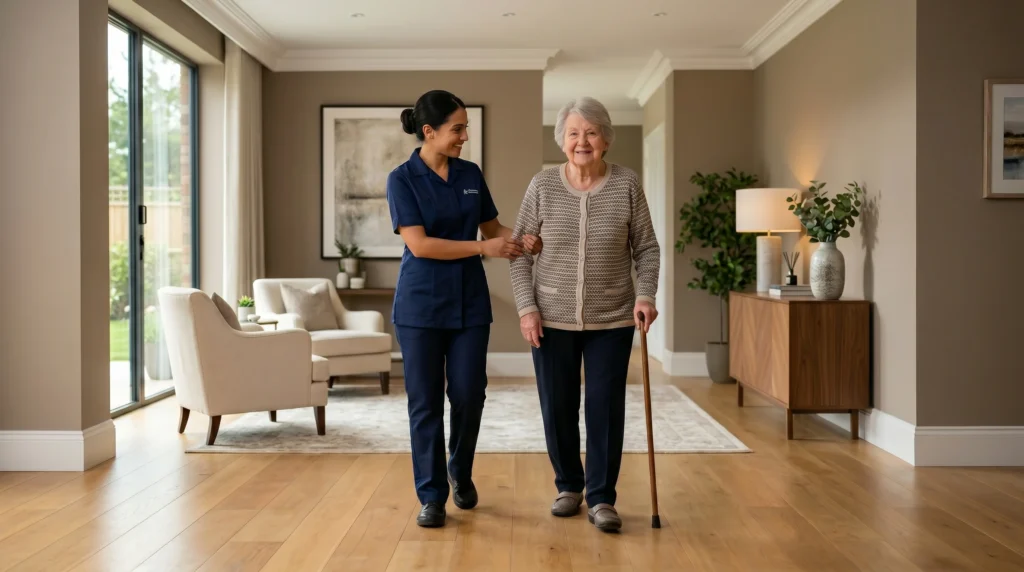
Complex health and care needs are rarely static. Regular reviews ensure that support continues to align with the person's current situation remaining both suitable and proportionate over time.
- Changes in health, mobility, or routine
- New equipment or levels of support required
- Increased or decreased dependency needs
Ready to Understand How Complex Care Could Work for You?
Speak to British Elderly Care for clear, honest guidance no obligation, no pressure.
Complex Care Services and
Specialist Support We Provide
Complex care services are designed for individuals whose health and care needs require skilled, supervised, and consistently delivered support beyond what standard home care can safely provide. British Elderly Care delivers these services through nurse-led oversight and trained care teams.
Each service is structured around the individual's specific health needs, their interaction with other conditions, and what is required to manage those needs responsibly at home. Support is always personalised, regularly reviewed, and professionally supervised.
Tracheostomy care requires a cautious approach, strict adherence to established routines, and ongoing professional involvement to remain safe and comfortable for the individual.
Because tracheostomy care is associated with elevated levels of dependency, it is essential that care is provided by trained personnel who understand the significance of precision and continuous observation. Clinical supervision is not optional it is fundamental.
British Elderly Care delivers tracheostomy support within its complex care model well-organised, closely supervised, and adapted to individual needs at home.Tracheostomy care at home may involve:
- Adhering strictly to established care routines
- Monitoring for signs of deterioration or risk
- Supporting personal hygiene and correct positioning
- Ensuring routines are carried out consistently
PEG feeding support is needed when a person is unable to take in adequate nutrition through normal eating. This type of care must be provided with strict attention to prescribed procedures and clear safety standards.
Nutrition is vital to the health and wellbeing of any person and particularly so for those with complex needs. Supporting PEG feeding at home helps maintain the person's comfort and familiar environment while ensuring correct clinical procedures are followed throughout.
British Elderly Care provides PEG feeding support as an integral part of its complex care model safe, consistent, and always monitored by trained professionals.PEG feeding support may include:
- Supporting feeding routines as prescribed
- Monitoring tolerance, comfort, and intake
- Maintaining hygiene and safety standards
- Observing for changes that require attention
Ventilator dependence and other respiratory-related needs are common among people requiring complex care services. Respiratory support at home demands strict planning, trained clinical assistance, and careful professional supervision.
British Elderly Care provides nurse-led complex care services for people with respiratory and ventilation needs ensuring that respiratory support is administered safely and properly supervised, even in a home environment.
The goal is to maintain a calm, structured, and consistent care environment that supports both breathing health and overall emotional wellbeing.Ventilation and respiratory care may involve:
- Supporting established respiratory routines
- Monitoring breathing patterns and comfort
- Observing for signs of respiratory change
- Maintaining a calm and consistent care environment
Neurological and spinal conditions frequently form the basis of the most complex care needs. These disorders can impair movement, coordination, communication, and independence requiring support that is patient, precise, and consistently delivered.
Needs often evolve over time, and care teams must maintain familiarity and structure throughout. Continuity is essential for supporting wellbeing and reducing distress for the individual particularly when the emotional impact of the condition is also significant.
British Elderly Care provides neurological and spinal care through complex arrangements that acknowledge both the physical and emotional dimensions of these conditions.Supporting neurological and spinal needs may involve:
- Assistance with safe movement and positioning
- Supporting daily routines with consistency
- Observing changes in ability or comfort
- Maintaining structured, familiar approaches
Hospital discharge can mark a significant change in care needs. Individuals may return home with higher levels of dependency or new routines that require careful and professional support from the outset.
Complex care support provides stability during this often uncertain transition reducing the risk of hospital readmission, supporting new clinical routines, and giving families the reassurance that care is being properly managed.
British Elderly Care supports post-hospital discharge through planned complex care focused on safety, continuity, and clear communication from the very first day home.Post-discharge complex care may involve:
- Continuing support for new care routines
- Managing changes in health status
- Reducing the risk of hospital readmission
- Providing reassurance during the transition
High-dependency care refers to the level of support needed when a person relies on assistance almost continuously to remain safe. This level of care demands a very high degree of consistency, understanding, and professional supervision.
Providing high-dependency care at home is not simply about having someone present at all times. Good planning, clinical knowledge, and composed delivery are equally important ensuring neither the person nor the care situation becomes destabilised.
British Elderly Care delivers high-dependency complex care with trained teams and nurse-led oversight so individuals receive proper support while remaining in their own home.High-dependency care may involve:
- Ongoing supervision and monitoring
- Support with most or all daily activities
- Close observation for any health changes
- Coordinated, consistent care delivery
Many individuals require more than one type of specialist support. Complex care services are designed to integrate these needs into a single, coordinated care arrangement rather than treating each area as a separate, disconnected service.
This integrated approach eliminates fragmented care and ensures that each routine complements the others. Across all complex care services, safety and consistency are essential with clear guidance and oversight maintained throughout.
British Elderly Care takes a comprehensive view of complex care combining multiple specialist supports into one cohesive, well-managed plan.Integrated support may involve:
- Adhering to pre-established care plans
- Monitoring for any changes across all areas
- Sharing observations between care team members
- Updating care as overall needs change
Each person requires a different configuration of services. Complex care is adapted to suit the individual's precise needs, preferences, and circumstances not applied as a one-size-fits-all arrangement.
Specialist support undoubtedly requires a well-organised and accurate approach but it should never lose sight of compassion, dignity, and respect. Care addresses not only physical health but also the comfort and emotional wellbeing of the person throughout.
British Elderly Care's approach ensures that specialist complex care services remain human-centred supporting individuals as people, not just as a set of clinical requirements.Tailoring care involves:
- Adjusting the level of support as health changes
- Respecting personal habits and daily preferences
- Altering approaches as medical conditions evolve
Flexibility in complex care ensures that support remains effective, appropriate, and genuinely respectful of the whole person at every stage.